Austin's Moonlight Towers: Why Manual Infrastructure Review Breaks at Scale
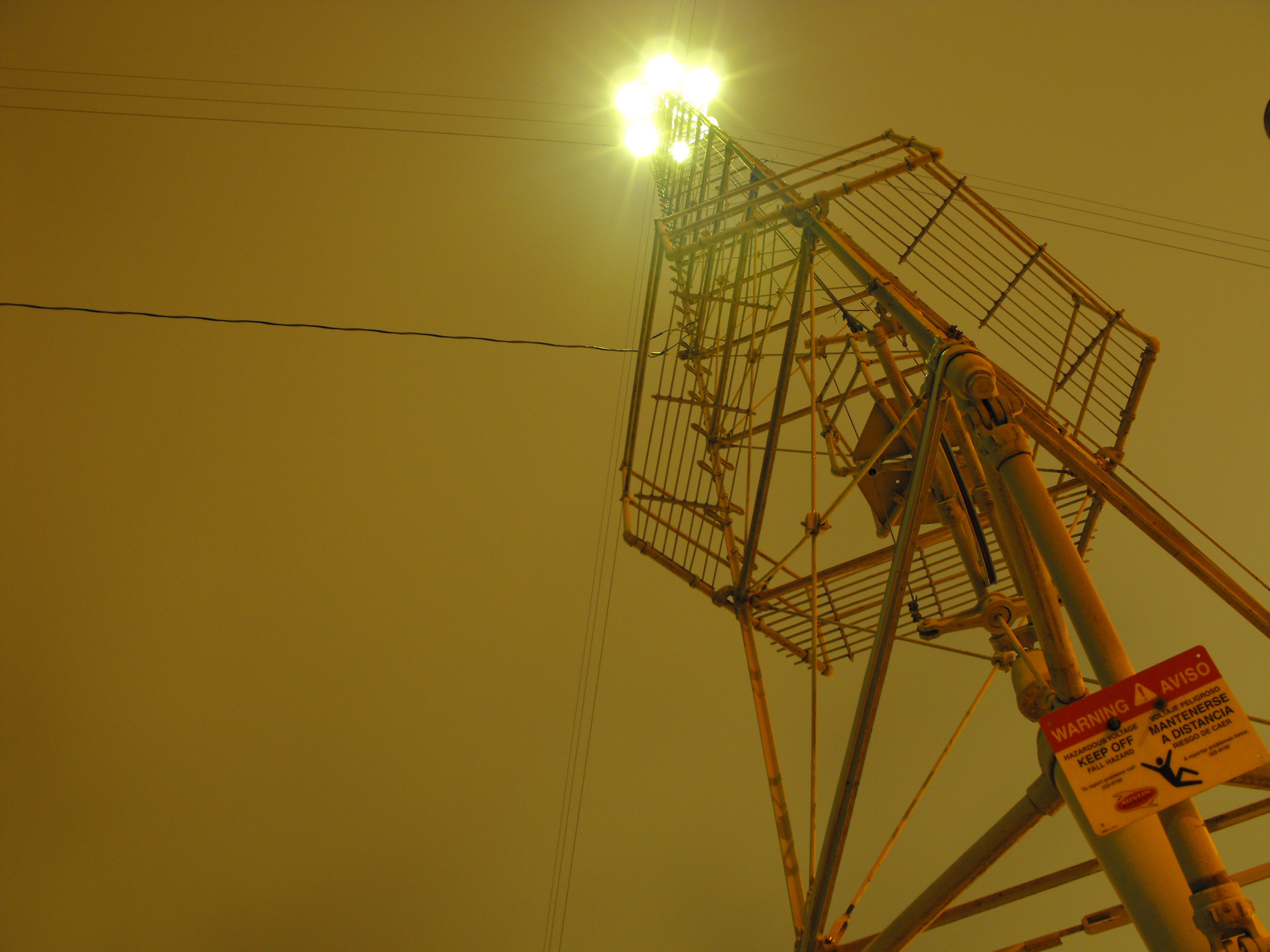
Austin, Texas, is the only city in the world that still operates a fleet of moonlight towers — 165-foot iron structures that cast a pale glow over the streets below. Installed in 1894, the towers were the city's response to a gripping fear: a serial killer had been terrorizing Austin, and officials believed that "artificial moonlight" eliminating dark alleys would stop the violence. The murders ceased before the towers were finished, but the 17 surviving towers have been maintained for over 130 years and remain beloved city landmarks. The moonlight towers represent an early attempt to solve a city-scale problem with infrastructure — and illustrate a truth that still applies to modern construction: as projects grow in scale and complexity, manual review processes that worked for simpler projects break down entirely. AI for construction is how engineering teams keep pace with the scale of modern infrastructure.
Why Scale Breaks Manual Construction Drawing Review
A small commercial building might produce 50 to 100 drawing sheets. A hospital or campus project can produce thousands. Infrastructure projects — transportation corridors, utility networks, municipal facilities — span miles and involve dozens of engineering disciplines working across hundreds of sheet sets. The engineering drawing QAQC required for these projects is proportionally massive: every sheet must be checked for MEP drawing errors, code compliance, coordination between disciplines, and consistency with specifications.
Manual construction document review does not scale linearly. Doubling the number of drawing sheets does not simply double the review time — it increases the complexity of cross-referencing, the number of potential coordination conflicts, and the cognitive load on reviewers. A reviewer checking Sheet 50 of 500 does not carry the same mental alertness as when they checked Sheet 5. The error rate increases with fatigue, and the interactions between systems grow exponentially with project size. Infrastructure-scale projects need engineering drawing validation that matches their scale.
How Teams Manage Large-Scale Reviews Today
For large infrastructure projects, firms typically divide the review workload among multiple engineers, each responsible for a section or discipline. AI for structural engineering teams review structural drawings. AI for MEP engineering teams review mechanical and electrical sheets. AI for civil engineering teams review grading, drainage, and site utilities. Each team performs its own construction drawing review in parallel, then coordination happens through meetings and comment exchanges.
This distributed approach increases coverage but introduces its own problems. Consistency drops when different reviewers apply different standards. Coordination between disciplines depends on the quality of communication between teams, which varies project to project. And the overall process still depends on human attention applied across thousands of sheets under deadline pressure — the same fundamental limitation that makes manual review unreliable at scale. Engineering design QA on large projects often becomes an exercise in managing reviewer fatigue rather than ensuring comprehensive coverage.
How AI Handles Infrastructure-Scale Drawing Review
Automated design review tools are purpose-built for the scale challenges that manual processes cannot handle:
Consistent Review Across Thousands of Sheets
AI-powered construction drawing review applies identical scrutiny to every sheet regardless of the set's size. Sheet 1 and Sheet 500 receive the same level of analysis for missing annotations, misaligned tags, code compliance issues, and coordination conflicts. Automated plan review does not experience fatigue, attention drift, or the need to skim later sections because the deadline is approaching. This consistency is what makes engineering drawing QAQC at infrastructure scale viable — every sheet gets checked, every time.
Cross-Discipline Coordination at Scale
Design coordination AI processes all disciplines simultaneously, identifying conflicts between structural, mechanical, electrical, plumbing, and civil systems across the full drawing set. On an infrastructure project with hundreds of sheets per discipline, the number of potential cross-discipline conflicts is enormous. Manual coordination between review teams catches a fraction of these. Automated engineering drawing validation checks every intersection, every interface, and every shared space between disciplines — the comprehensive coverage that reduces construction rework on the projects where rework costs the most.
The Moonlight Towers: Scale Solutions Require Scale Tools
Austin's moonlight towers were a city-scale response to a city-scale problem. The concept was straightforward: rather than lighting individual streets one by one, build towers tall enough to illuminate entire neighborhoods at once. The approach worked because the tool matched the scale of the problem. A candle on every corner could not have achieved what a 165-foot tower with arc lamps accomplished.
Modern infrastructure projects face the same principle. Manual construction document review that works for a 50-sheet building project cannot effectively serve a 2,000-sheet infrastructure program. The tool must match the scale. AI-powered automated design review is the infrastructure-scale tool that construction drawing review demands — processing thousands of sheets with the same consistency, identifying missing tags and misaligned annotations in a fraction of the time, and ensuring that engineering drawing validation covers every sheet rather than just the ones that received human attention.
Conclusion
Austin's moonlight towers have endured for 130 years because they solved a real problem at the right scale. Modern infrastructure demands the same principle applied to engineering quality: AI for construction tools that perform automated design review, engineering drawing QAQC, and construction drawing review at the scale that manual processes can no longer handle. As projects grow in complexity — more sheets, more disciplines, more coordination requirements — the gap between what manual review can cover and what projects need grows with them. AI closes that gap, ensuring project delivery is faster, safer, and more reliable for the public the infrastructure serves.
Want to see how AI handles drawing review at scale?
Book a Demo