A College Built as Punishment: What Medieval Construction Teaches About QA/QC
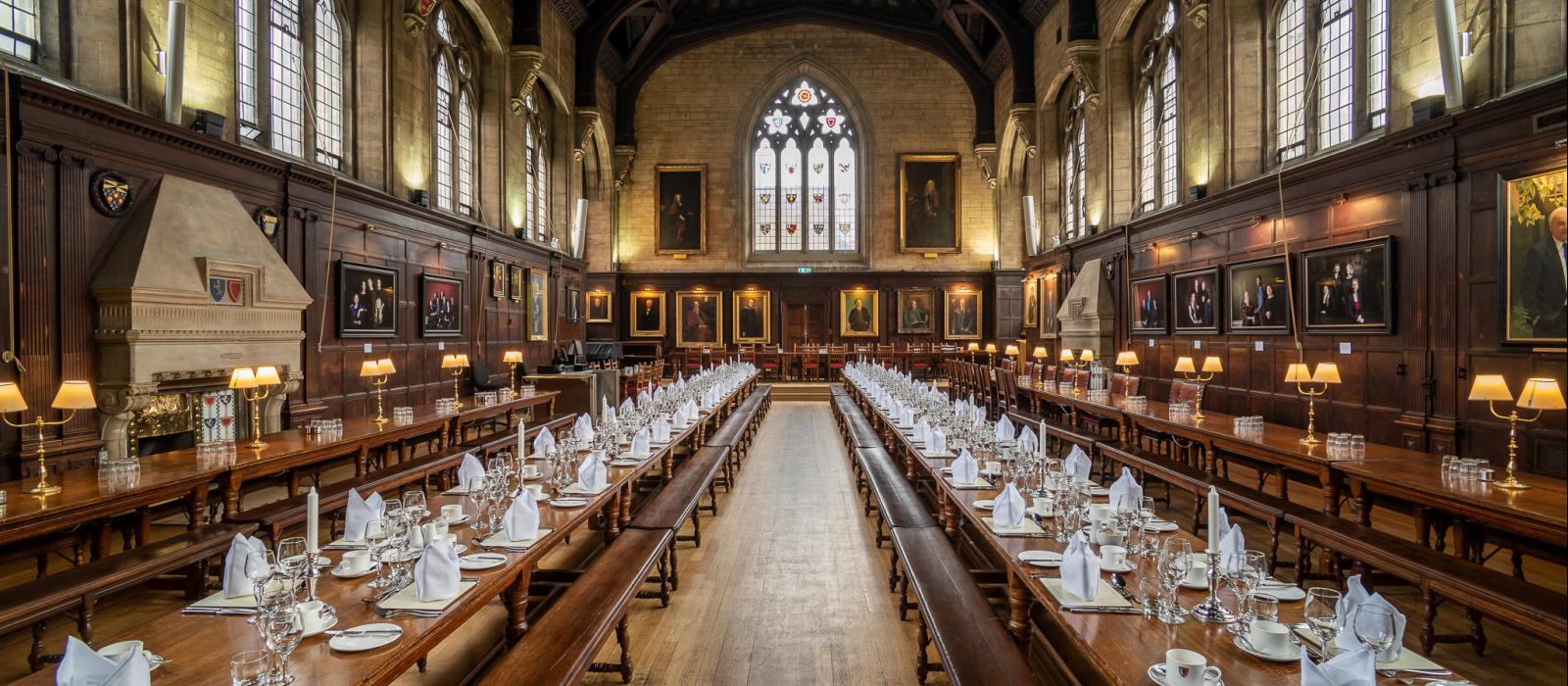
In 1260, a wealthy English nobleman named John de Balliol got into a heated dispute with the Bishop of Durham. As punishment, the Bishop had Balliol publicly whipped and ordered him to perform a "substantial act of charity." To atone, Balliol rented a house in Oxford and began supporting a group of scholars. That act of medieval penance grew into Balliol College — one of the oldest and most prestigious institutions at the University of Oxford, still operating over 760 years later. Building something that endures requires getting the fundamentals right, whether in 13th-century Oxford or on a modern construction site. Today, engineering teams spend hundreds of hours per project on manual engineering drawing QAQC — a form of professional penance that AI for construction is finally making unnecessary.
Why Manual QA/QC Feels Like Punishment
Manual construction document review is one of the most tedious activities in engineering practice. Reviewing hundreds of drawing sheets for MEP drawing errors, checking code compliance line by line, cross-referencing specifications against design drawings, and completing QA/QC checklists consumes days of engineer time on every project. The work is essential — skipping it leads to construction rework, RFIs, and field change orders — but it is repetitive, draining, and error-prone under deadline pressure.
The problem is that construction drawing review at scale requires the kind of sustained attention that humans struggle to maintain. After hours of checking annotations, dimensions, and coordination details, even the most experienced reviewer starts missing things. Engineering design QA quality degrades with fatigue, and the consequences of those missed issues compound downstream — from design revisions to field rework to schedule delays.
How Engineering Firms Manage Quality Assurance Today
Most firms follow a structured but manual QA/QC process. Senior engineers review drawing sets at key milestones — 50 percent design, permit submission, issued for construction. They use redline markups, spreadsheet checklists, and coordination meetings to identify and track issues. Junior engineers handle the data-intensive work: comparing schedules against drawings, verifying that specification references are correct, and flagging obvious errors for senior review.
This process works, but it has the same limitation it has had for decades: it depends entirely on human attention and available hours. When projects overlap, review thoroughness suffers. When experienced reviewers are unavailable, quality gaps emerge. And when revision cycles accelerate — as they always do before deadlines — the manual cross-referencing that catches engineering drawing validation issues cannot keep pace. The result is the same construction rework that the QA/QC process was designed to prevent.
How AI Transforms Engineering Drawing QAQC
Automated design review tools are transforming engineering drawing QAQC from a manual endurance test into a systematic, repeatable process:
Systematic Review Across Every Sheet
AI for structural engineering, AI for MEP engineering, and AI for civil engineering tools scan every sheet in a drawing set with the same level of attention — the first sheet and the two-hundredth sheet receive identical scrutiny. Automated plan review checks code compliance, identifies coordination conflicts, and validates that drawn elements match specifications. This engineering drawing validation runs in minutes, not days, and does not degrade with fatigue.
Repeatable Quality at Every Milestone
Design coordination AI enables teams to run comprehensive checks at every project milestone without the resource burden of manual review. When a new revision arrives, the system re-checks the entire drawing set — not just the sheets marked as changed. This catches cascading issues where a change on one sheet creates a conflict on another. Construction document review becomes a consistent, automated process rather than a sporadic, effort-dependent one. Engineers review flagged exceptions rather than scanning every page, reclaiming hours for design work and problem-solving.
What Balliol College Teaches About Getting Fundamentals Right
Balliol College has endured for over 760 years because its foundation — however unconventional — was sound. The structures we build today face a similar requirement: the quality of the design documents determines the quality of the built outcome. When engineering drawing QAQC is thorough, buildings perform as intended. When it is rushed or incomplete, errors reach the field and manifest as construction rework that costs multiples of what the original fix would have required.
The parallel to modern construction is clear. Engineers and planners spend hundreds of hours manually reviewing drawings and checking for code violations — a process that, like medieval penance, is endured rather than optimized. AI-driven engineering drawing QAQC reduces these review cycles from weeks to hours, freeing engineers to focus on high-value design work instead of tedious manual checks. The foundation of every great building starts with getting the documents right, and automated design review ensures that the documents get the scrutiny they deserve.
Conclusion
John de Balliol's punishment became one of the world's great institutions because the fundamentals were right. Modern construction projects demand the same foundational quality in their engineering documents. AI for construction tools that automate construction drawing review, engineering drawing validation, and design coordination are giving engineering teams the ability to deliver that quality systematically — without the penance of endless manual review. The hours saved go back to the work that engineers trained for: designing buildings that endure.
Want to see how AI can transform your QA/QC process?
Book a Demo